HAPPY NEW YEAR 2026!

As we step into 2026, we reflect on a passing year that ranked among the warmest in modern history. Climate extremes are becoming the new normal, yet resilience remains within our reach. Nature-based solutions rooted in biodiversity offer proven pathways to safeguard communities and strengthen disaster preparedness.

At this moment, the Kerala State Biodiversity Board is proud to highlight ten inspiring stories from Kerala—of habitats restored, species revived, and livelihoods sustained. Each stands as a beacon, showing that harmony with nature is the surest route to a resilient future.

The journey ahead calls for dedication and collective action.

Let us embrace the new year with renewed vigour and cheer!

HAPPY NEW YEAR!

Chairman, Member Secretary and the team
New Year Day, 2026

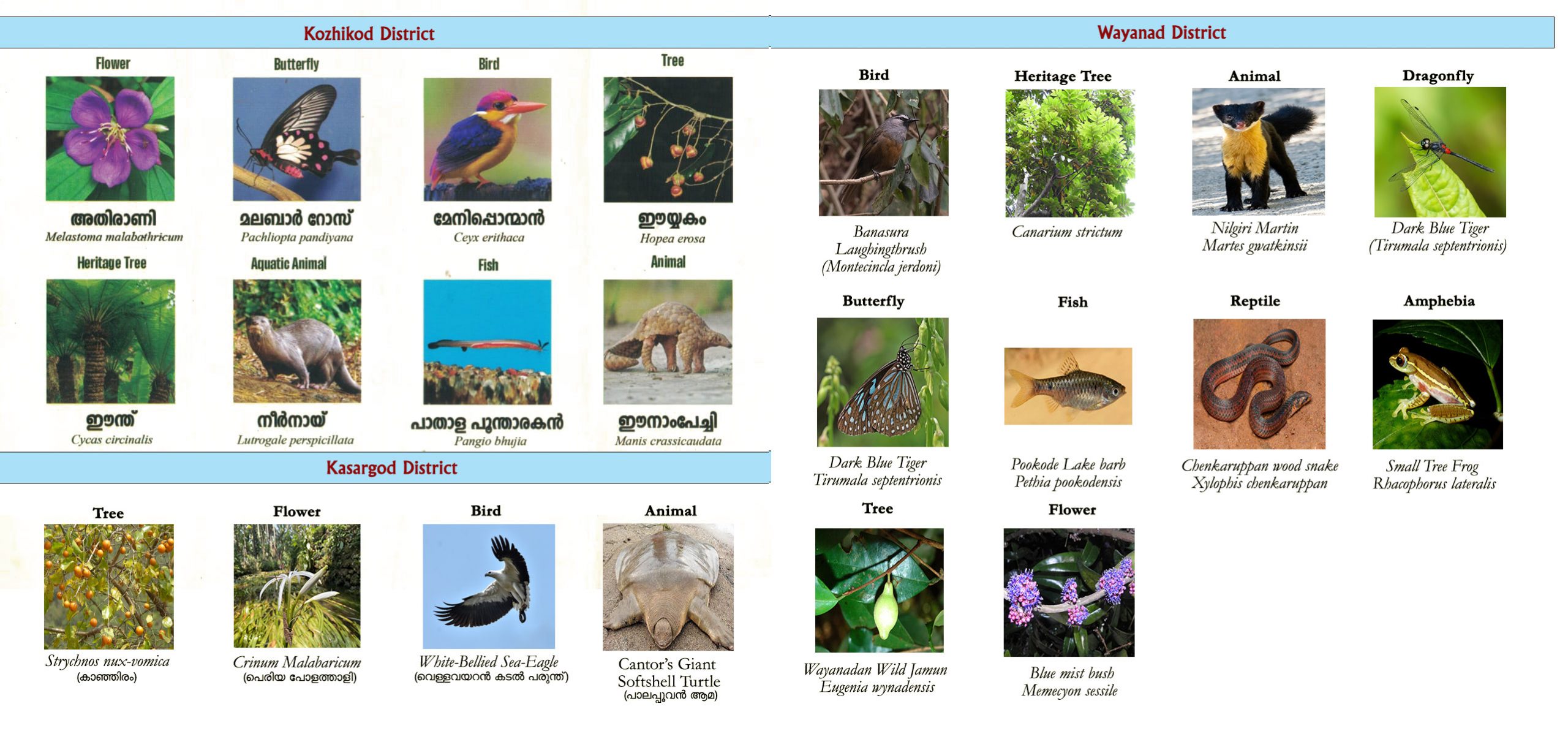
First-in-India District Species Declaration

In a pioneering step for grassroots conservation, three Kerala districts—Kasargod, Kozhikode, and Wayanad—became the first in India to officially declare their own district species, complementing state and national declarations. This initiative strengthens ecological awareness, fosters regional pride, and sharpens conservation focus on locally significant flora and fauna. The process combined public nominations, inputs from Biodiversity Management Committees, and rigorous scientific evaluation, ensuring ecological relevance and conservation value. By connecting citizens directly to their unique biodiversity, Kerala has set a powerful model for community-driven stewardship and species conservation.

Kerala’s Red List Flags 300 Threatened Species

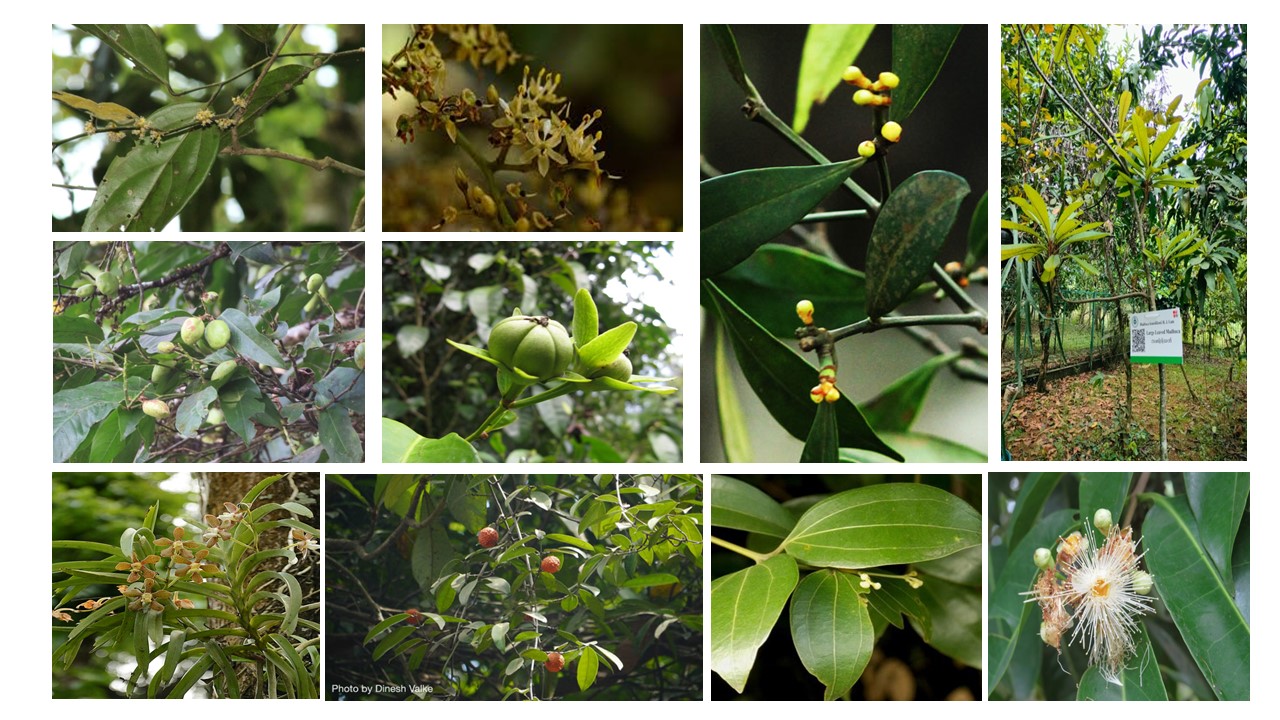
On May 22, 2025, the Kerala State Biodiversity Board (KSBB) revealed a major scientific assessment identifying over 300 threatened tree species, with 60 prioritized for immediate conservation. Alongside these, critical fauna such as the Indian Pangolin, Hump‑backed Mahseer, and Pondicherry Shark were highlighted among more than 1,000 species evaluated. Marine experts underscored the urgency of fishing bans and new Marine Protected Areas. The revised Red Data Book—aligned with IUCN criteria and national legislation—mandates annual updates, empowers Biodiversity Management Committees, and establishes a digital species database. By spotlighting threatened species, Kerala has taken a decisive step toward species‑specific conservation planning and safeguarding its biodiversity.
Combating Ghost Nets for Marine Conservation

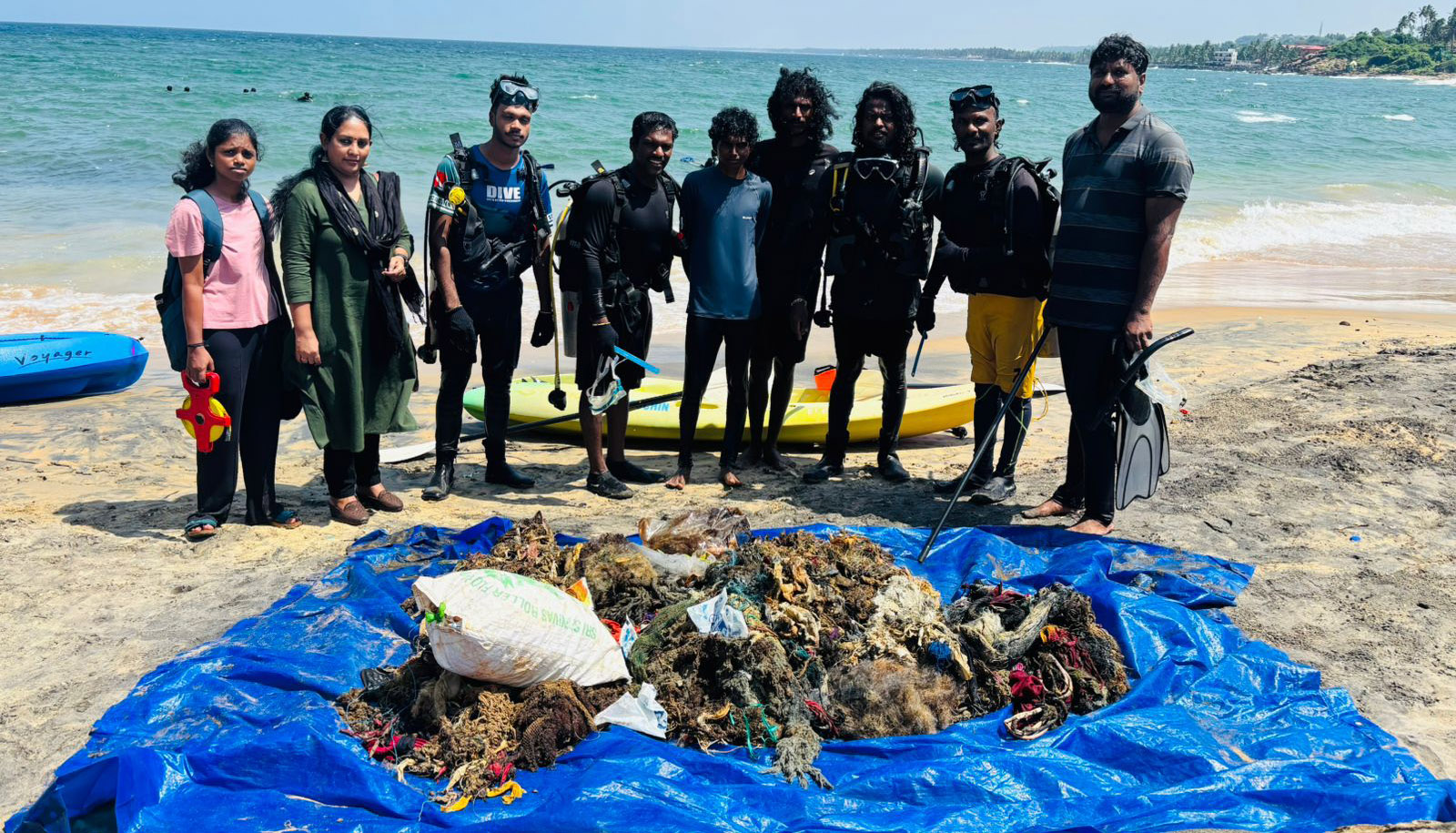
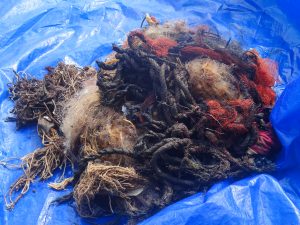
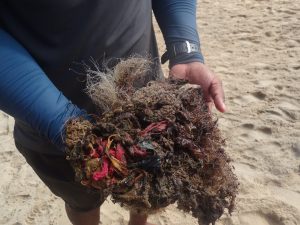
In April 2025, KSBB launched a critical initiative to tackle ghost nets—abandoned plastic fishing gear that devastates marine biodiversity by trapping species and smothering coral reefs. With ₹10 lakhs allocated to ICAR CMFRI, the project united experts, fishermen, and divers to map accumulation zones, conduct clean ups, and monitor ecosystem recovery. Community workshops and awareness campaigns empowered local stakeholders to adopt sustainable practices, ensuring fisher livelihoods while protecting fragile marine ecosystems. This pioneering effort created a scalable model of community driven action against plastic pollution, reinforcing resilience and safeguarding Kerala’s coastal biodiversity.
Saving the “Exclamation Barb Fish” (Dawkinsia exclamatio Initiative)

KSBB has launched a pioneering program to conserve threatened native freshwater fish popularly called the Exclamation Barb Fish, Dawkinsia exclamatio of the Kallada River. In a landmark step, 2,000 hatchery bred juveniles of this species were released to restore ecological balance. Combining scientific expertise with community participation through Biodiversity Management Committees, the initiative strengthens aquatic biodiversity while creating conservation linked livelihoods in hatchery management, monitoring, and future ornamental trade. By centering species recovery, KSBB demonstrates how safeguarding Dawkinsiaexclamatio also secures resilient rivers and community well being.

Restoring Neela Kaalan Prawn: Chaliyar River’s Blue Treasure

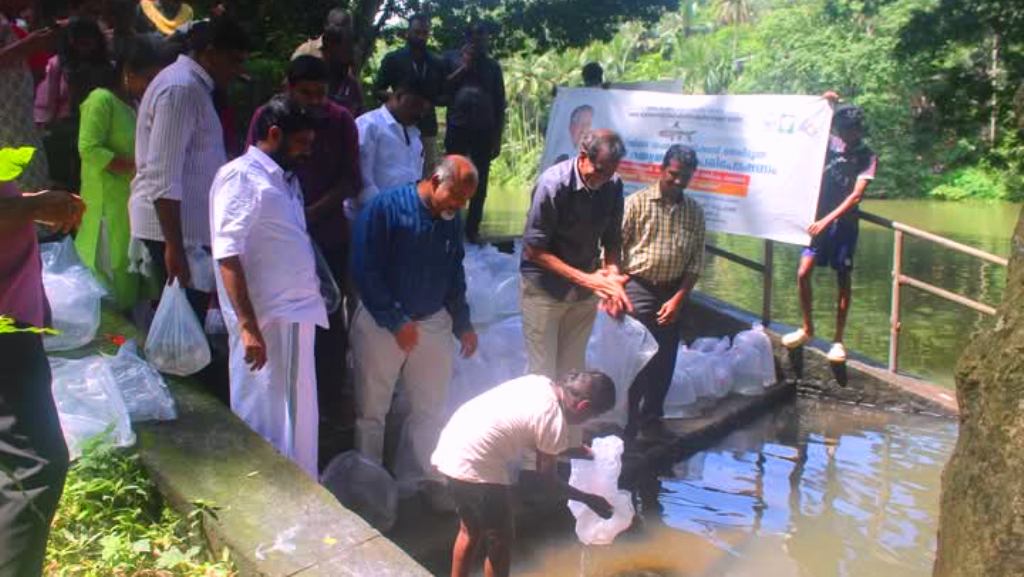
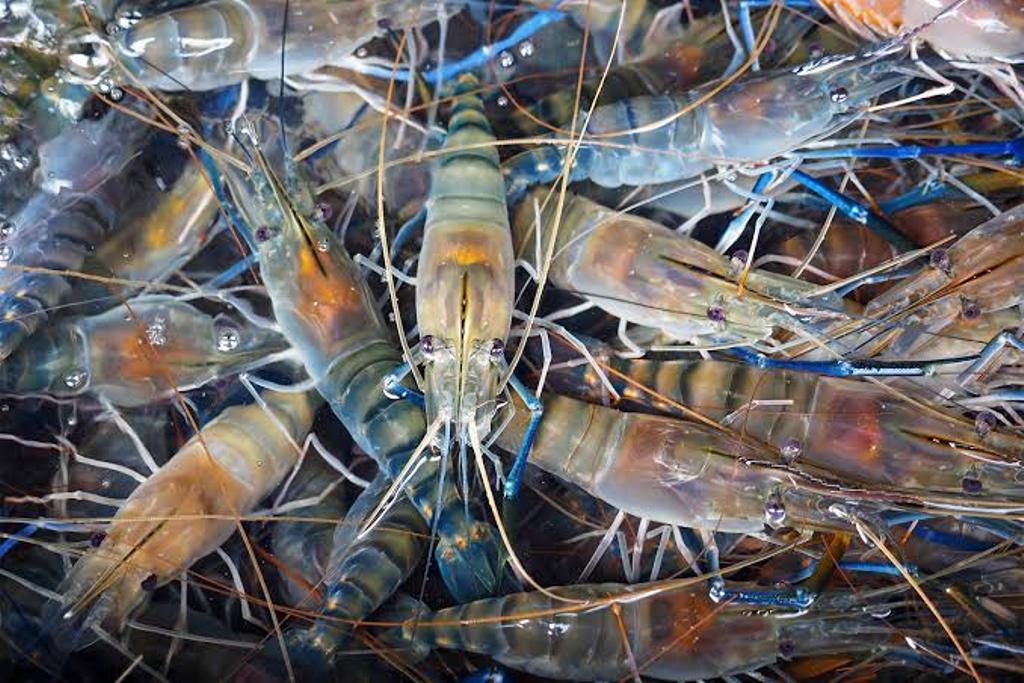
A project on Reviving Neela Kaalan Prawn (Macrobrachium rosenbergii) stood apart in KSBB’s species recovery programme in the year. In a landmark step for ecological restoration, the Vazhayoor Grama Panchayat Biodiversity Management Committee, with support from the Kerala State Biodiversity Board, implemented a habitat restoration project for the freshwater Neela Kaalan prawn (Macrobrachium rosenbergii) in the Chaliyar River. Marking the species’ repopulation, Panchayat President Mr. Vasudevan Master inaugurated the initiative by releasing 50,000 juvenile prawns into the river. This effort strengthens species recovery, safeguards aquatic biodiversity, and reconnects communities with Kerala’s unique freshwater heritage.


Sacred Groves: Kerala’s OECM Model for Biodiversity Conservation

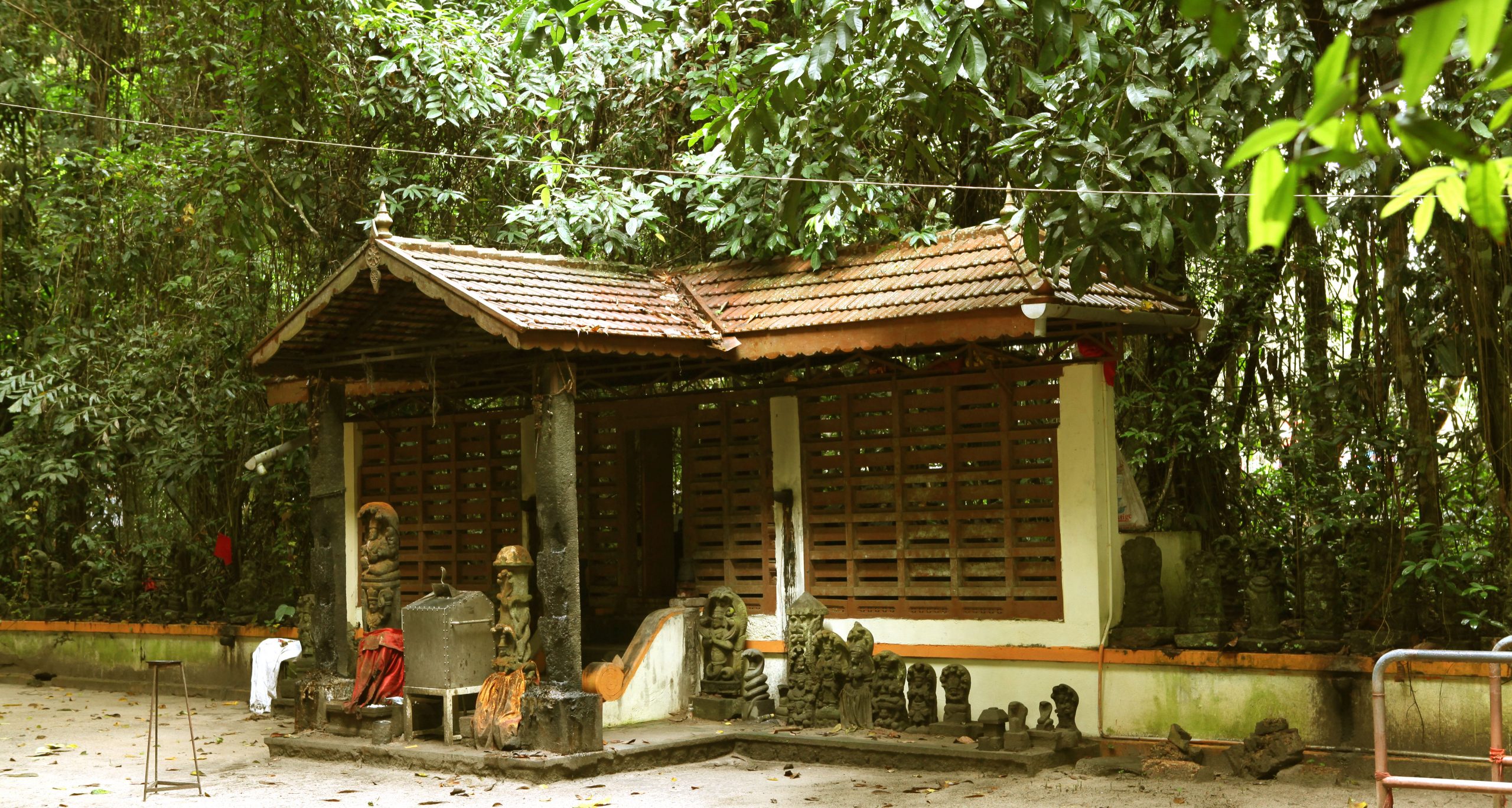
As part of KSBB’s Eco restoration Project, the Kaniyampatta Biodiversity Management Committee (Wayanad district) has launched a Sacred Grove Conservation initiative—positioning these culturally significant landscapes as Other Effective Area‑Based Conservation Measures (OECMs). Two sacred groves, including the renowned PanankandyKavu, were formally brought under restoration on February 10, 2025.

The project focuses on preparing biodiversity inventories, reviving endemic tree species, conserving ponds and wetlands, and implementing holistic ecosystem management. By integrating cultural heritage with ecological restoration, sacred groves are recognized as micro‑reserves that safeguard species, maintain ecological balance, and strengthen climate resilience. With a vision to restore all sacred groves under its jurisdiction, the BMC has set a replicable OECM model of community‑driven conservation—ensuring Kerala’s biodiversity and cultural legacy endure for future generations.


Children Lead Kerala’s Upland Paddy Revival

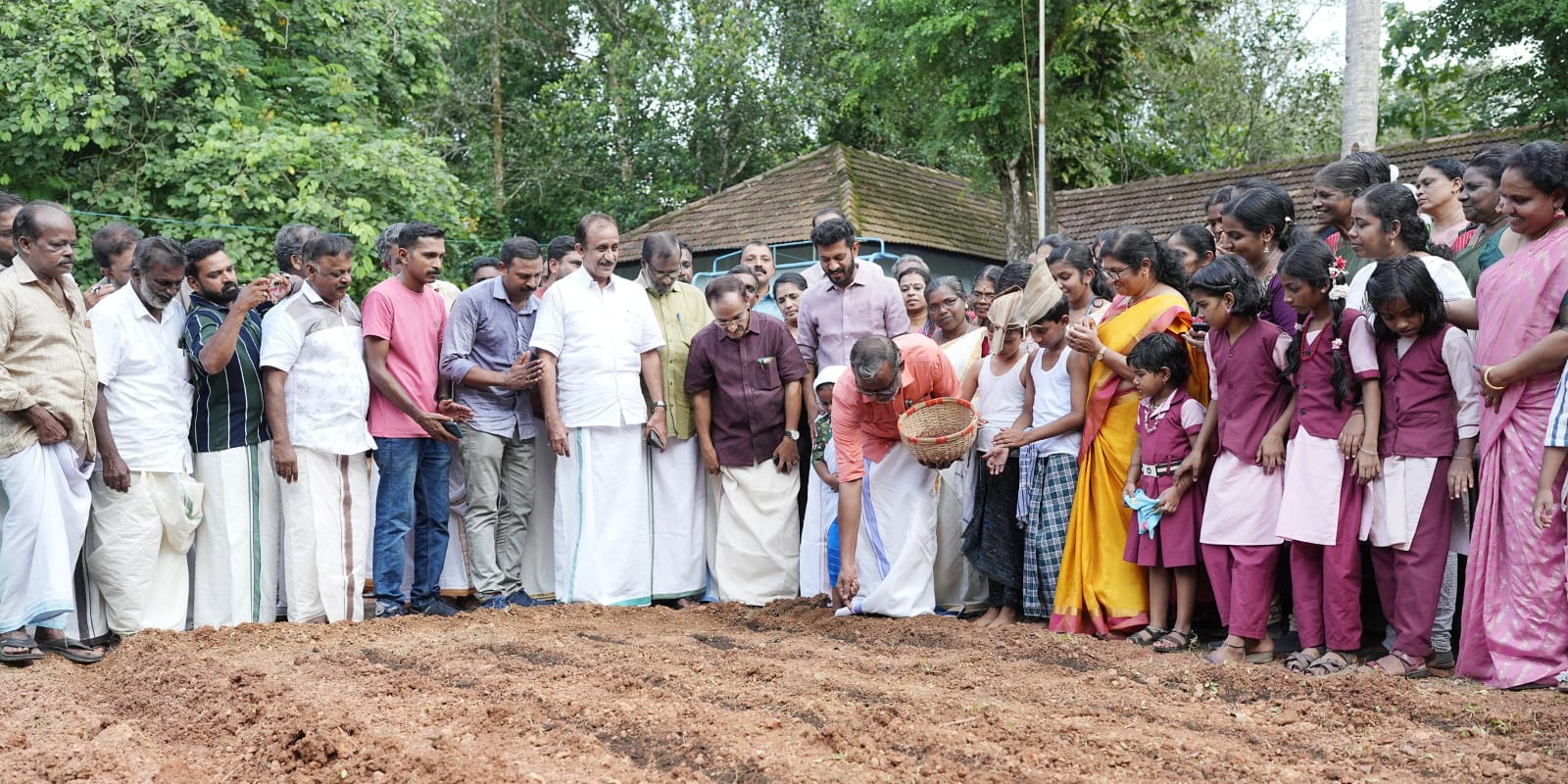
On February 2025, Kerala Agriculture Minister P. Prasad inaugurated the Karanellu Krishi (Upland Paddy Cultivation) project at Varenikkal UP School in Thekkekara Grama Panchayat—where children themselves sowed the first seeds. This pioneering initiative, jointly driven by the Panchayat, Biodiversity Management Committee, and school biodiversity clubs, places students at the heart of reviving traditional paddy cultivation in drylands.

By linking ecological learning with hands‑on farming, the project nurtures food self‑sufficiency while inspiring the next generation to embrace sustainable agriculture. With calls to expand farming to all available spaces and explore modern techniques like hydroponics and aeroponics, the program blends tradition with innovation. It stands as a model of community‑school partnership, proving that when children lead, Kerala’s future in resilient farming is secured.


Shantivanam: Planting Peace, Reviving Biodiversity

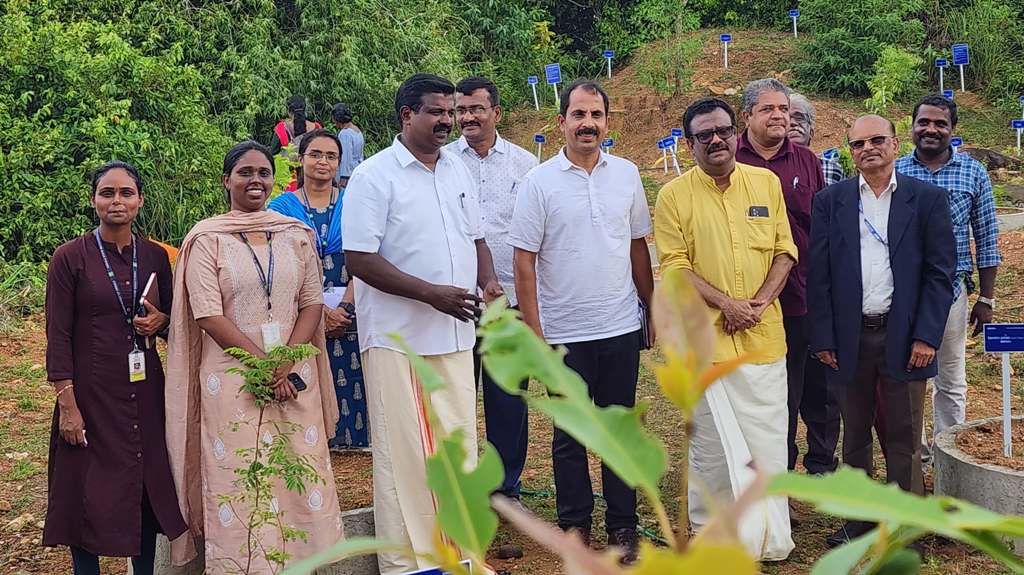
In a unique gesture of ecological renewal, the Maranalloor Grama Panchayat Biodiversity Management Committee, with support from the Kerala State Biodiversity Board, unveiled Shantivanam—a model biodiversity park created on cemetery land. Translating to “Forest of Peace,” the initiative symbolizes life emerging from spaces of remembrance, underscoring the continuity between nature and human legacy.

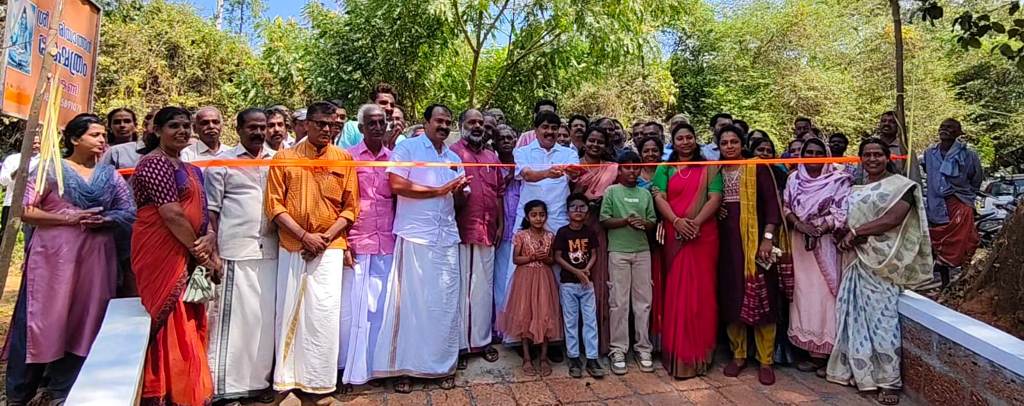
Formally inaugurated by Honourable MLA Adv. I. B. Satheesh, the park features a Nakshatravanam, Butterfly Park, Medicinal Garden, forest fruit varieties, and indigenous mango species. By planting trees in the cemetery, the project transforms a solemn landscape into a living sanctuary, blending cultural reverence with ecological restoration. As Dr. V. Balakrishnan, Member Secretary of KSBB, emphasized, Shantivanam stands as a replicable model of sustainable biodiversity management—where conservation becomes both a tribute to ancestors and a gift to future generations.

Community Protection of an only known global habitat for three rare aquatic plants

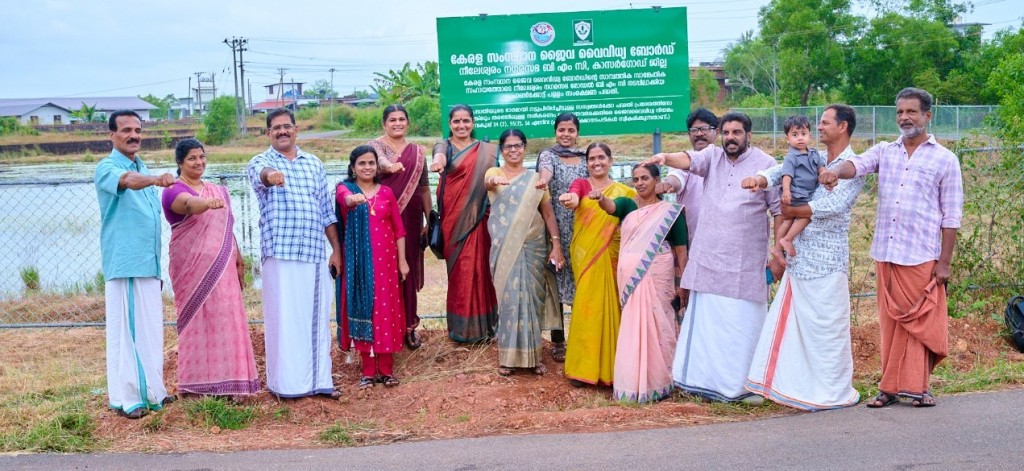
The Nilēśwaram Municipality Biodiversity Management Committee, with support from the Kerala State Biodiversity Board, has completed a landmark project to safeguard the ecologically significant PāndikkottuPallam wetland. This half‑acre freshwater system is the only known global habitat for three rare aquatic plants: the visually striking Mullan Krishnakesaram (Nymphoides krishnakesa var. bispinosa), the Kasaragod Blyxa (Blyxa kasaragodensis) with its unique underwater pollination, and the Tulunadan Rotala (Rotala tulunadensis), discovered locally in 2012.

Beyond its role as a sanctuary for these irreplaceable species, the wetland sustains diverse organisms and secures water availability for the surrounding region. To protect this fragile ecosystem, a perimeter fence has been installed to prevent damaging activities and preserve natural water flow. This initiative underscores Kerala’s commitment to wetland protection and species‑specific conservation, ensuring that globally rare biodiversity continues to thrive in its native habitat.
 

Riparian Species Recovery and Riverbank Rehabilitation

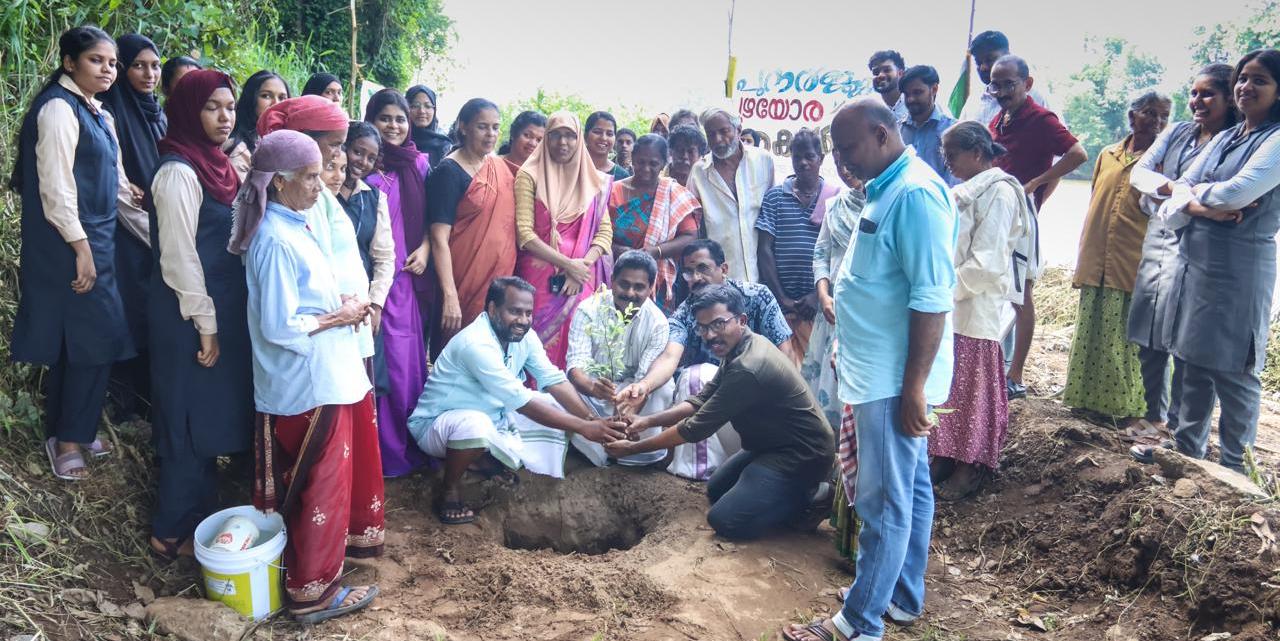
A landmark collaborative project across five Kerala institutions is driving the recovery of riparian buffer zone species to restore riverbanks and strengthen freshwater ecosystems. Over 43 species—including ecologically significant trees like Hopea  parviflora and Vateria  indica—are being scientifically propagated to stabilize banks, enhance biodiversity, and build resilience.

Nearly two lakh saplings have already been planted across major basins such as the Chalakkudy, Kabani, and Bharathappuzha, marking a green milestone in ecological rehabilitation. Seven Biodiversity Management Committees are further nurturing nurseries of prioritized species, ensuring community participation and local stewardship. By combining science with grassroots action, Kerala is charting a long‑term path to resilient rivers, thriving biodiversity, and restored ecological balance.